
Central Air Installation
New central systems are sized for the full square footage so upstairs bedrooms no longer stay warmer than downstairs rooms and humidity stays controlled during summer storms.
HVAC · the USA
Home Comfort HVAC sends technicians nationwide to restore steady cooling so every room stays comfortable without excess moisture or sudden temperature swings in the middle of the night.
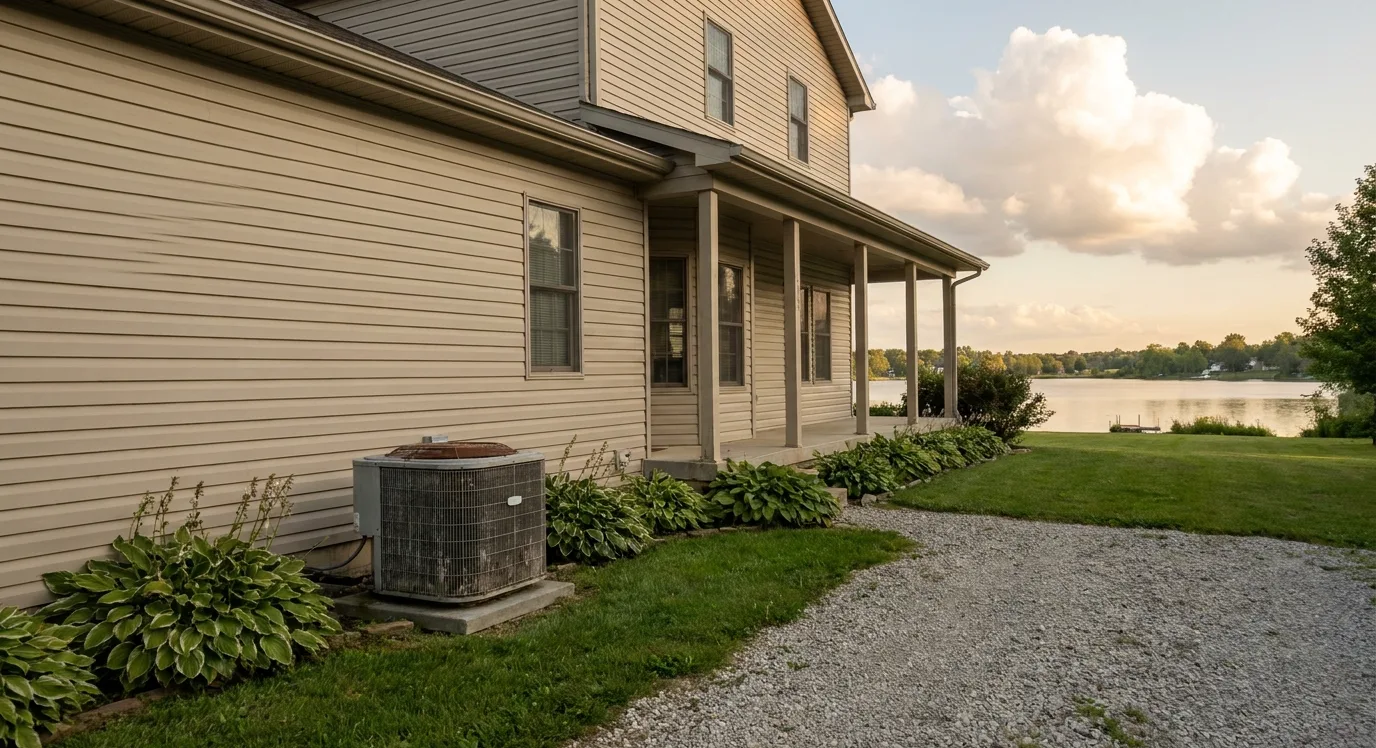
Technicians feel airflow at each register and note humidity levels in upper floors where heat builds first during long afternoons.
Dirty evaporator coils or clogged filters are examined because they directly cause weak cooling and higher indoor moisture in living spaces.
After adjustments our technicians listen for unusual sounds that often precede bigger failures in the compressor or blower motor.
Home Comfort HVAC addresses cooling problems through targeted services that match the age and layout of each home while keeping humidity balanced and airflow even from one floor to the next.
New central systems are sized for the full square footage so upstairs bedrooms no longer stay warmer than downstairs rooms and humidity stays controlled during summer storms.
Heat pump issues that cause short cycling or ice buildup on outdoor coils are diagnosed so the home regains steady temperatures without loud startup noises in the evenings.
Furnace problems that affect winter backup heat are corrected so the home maintains consistent warmth when outdoor temperatures drop and the cooling season ends.
Ductless units are placed in rooms that stay isolated from main airflow allowing those spaces to reach comfortable levels without overcooling the rest of the house.
Duct interiors are cleared of dust that restricts airflow and spreads odors so air moves freely and rooms feel fresher once the system runs again.
New thermostats are positioned away from direct sun and supply vents so readings reflect actual room conditions and prevent unnecessary system starts.
Filters and ventilation options are reviewed to reduce stale air pockets and excess moisture that collect in closed-off bedrooms during extended heat waves.
Seasonal checks cover refrigerant levels and electrical connections that affect how quietly and evenly the system cools each floor throughout long summer days.
Warm spots appear first in upstairs bedrooms when the system struggles to push cooled air through the ducts while downstairs stays cooler. Homeowners often notice higher humidity that makes the air feel thicker even when the thermostat shows a low number. Drafty corners near windows or doors can also signal that the unit is no longer maintaining even pressure across the house.
Strange odors from vents or repeated clicking sounds from the outdoor unit usually mean something inside the system has started to fail. These early signs appear before complete loss of cooling and give time to address the issue before heat builds throughout every room.
Turn the thermostat a few degrees higher to reduce strain on the compressor while waiting for help. Check that supply vents are open and free of furniture or rugs so air can move once the system restarts. Note which rooms feel warmest so technicians know where to begin their inspection.
Avoid resetting breakers repeatedly because this can hide the real problem and make later diagnosis slower. Write down any recent changes such as new filters or unusual noises so the details are ready when the technician arrives.
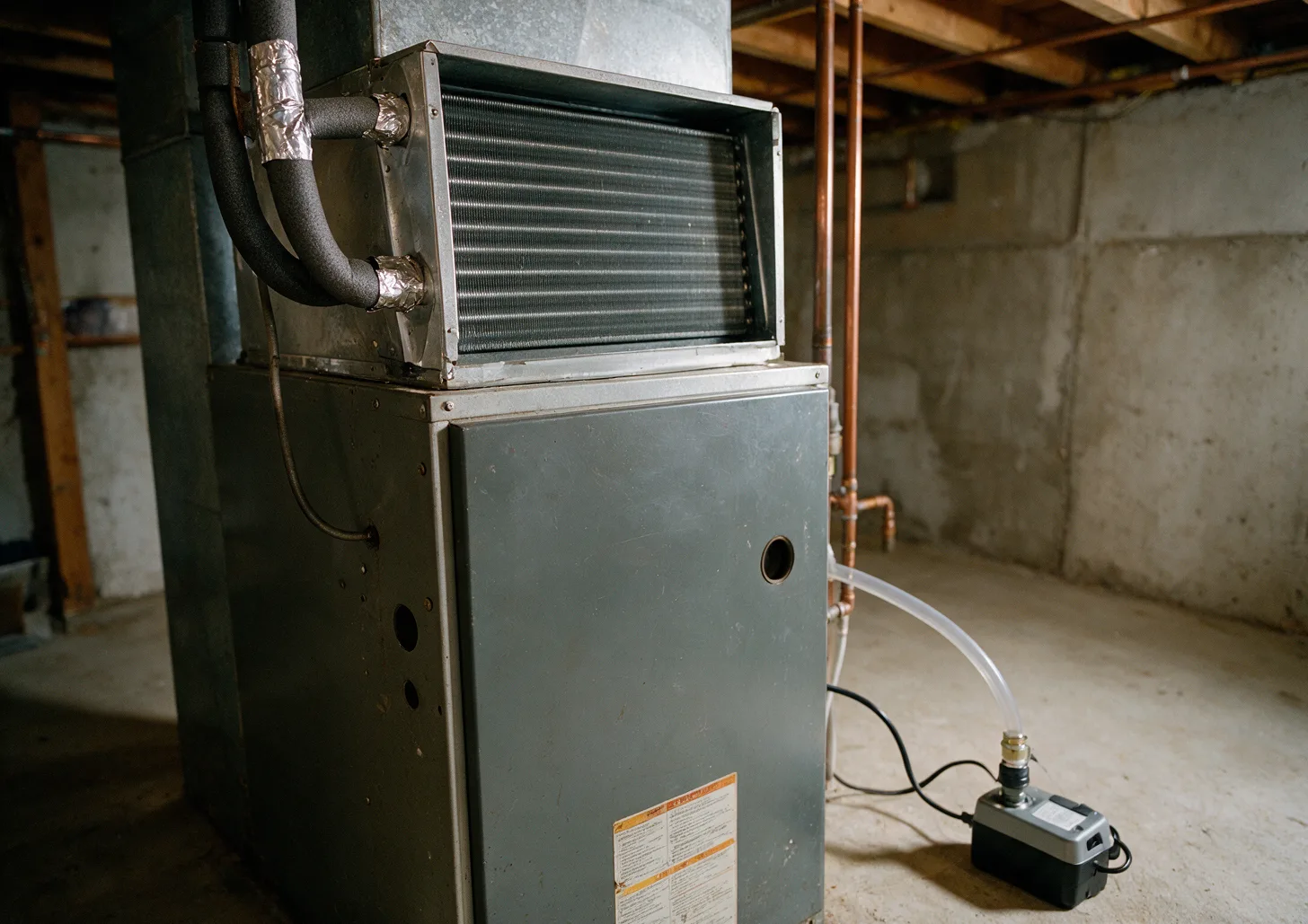
Home Comfort HVAC follows a clear sequence that identifies the cause of uneven cooling and restores balanced temperatures across every floor without unnecessary steps.
Technicians ask where each room feels too warm or too humid and note the times of day the issue becomes noticeable so the inspection targets the right areas first.
Coils, fans, and electrical parts are checked for wear that reduces cooling output and creates hot spots upstairs while lower levels stay closer to the set temperature.
The cause is described in everyday terms such as blocked airflow or low refrigerant so homeowners understand why certain rooms stay uncomfortable and what the repair will change.
After the work temperatures are measured again at registers in different rooms to confirm airflow feels steady and humidity levels have dropped before leaving the home.
Technicians start by measuring temperatures at multiple registers to map where cooling is lost between the unit and the rooms. They inspect the outdoor condenser for debris buildup that blocks heat release and check indoor coils for frost that stops proper airflow.
Electrical connections and capacitor health are tested next because weak power delivery often causes short cycles that leave some rooms cooler than others. Final airflow readings confirm the repair restored even distribution before the visit ends.
Age of the equipment and frequency of recent service calls are compared to the cost of parts needed for the current issue. Technicians also consider whether the home layout allows a new unit to deliver better room-to-room balance than continued repairs on an older model.
Energy use patterns are reviewed because an inefficient system may cost more over time than replacement even if the immediate repair seems small. Homeowners receive clear options based on how the current unit performs across different floors and seasons.
The type of system and the specific part that failed determine how much time and material the repair requires. A problem limited to a single thermostat or capacitor usually takes less work than issues involving the compressor or extensive duct adjustments that affect multiple floors.
Home layout also plays a role because homes with long or poorly insulated duct runs need extra time to locate restrictions that keep cooled air from reaching upstairs bedrooms evenly. Seasonal demand can influence scheduling but does not change the steps needed for a lasting fix.
Older homes often have duct runs that were added over time creating long paths that cool unevenly once the system ages. Technicians look for collapsed sections or missing insulation that let heat enter the ducts before air reaches distant bedrooms.
Rental properties require quick checks that restore basic cooling without major changes to the existing setup. Focus stays on filters, coils, and thermostat placement so tenants regain comfort while the property owner avoids repeated service calls during peak heat.
Warm air rises and many systems were not designed with strong enough airflow to overcome that effect once ducts age or filters become clogged. Technicians check static pressure and register output to find where cooling is lost before it reaches those rooms.
Low refrigerant or dirty evaporator coils prevent proper moisture removal even when the air feels cooler. Checking these parts first often restores the dry comfortable feel that the system should maintain throughout the day.
If the unit runs constantly yet some rooms never reach the set temperature the thermostat may be reading conditions near a vent or in direct sunlight. Moving it to a central wall often improves overall balance.
Repeated clicking usually points to an electrical issue such as a failing capacitor or contactor that prevents the compressor from engaging smoothly. These parts are checked during the initial visit so cooling returns without further interruptions.
Overheating from restricted airflow or low refrigerant causes the safety switch to shut the unit down before it can finish cooling the house. Technicians measure temperatures and pressures to locate the restriction quickly.
Yes when sections of duct become disconnected or crushed air bypasses certain rooms entirely. Locating these spots during the inspection allows targeted fixes that restore flow without replacing the entire duct system.
Contact Home Comfort HVAC when rooms feel uneven or humidity lingers so technicians can restore steady cooling across the entire home.