
Indoor Air Quality in the USA
Indoor air quality affects how every room in a home feels from morning to night. Excess moisture builds up in basements while upper floors run dry, causing uneven comfort and musty odors that linger after cooking or showers. Home Comfort HVAC technicians measure relative humidity and check for particles that circulate through the same ducts used for heating and cooling.
Dust on coils and debris inside return grilles restrict airflow and let allergens stay suspended longer. Home Comfort HVAC focuses on these hidden spots first because balanced moisture and clean air paths keep temperatures steady without constant thermostat adjustments. The whole house achieves better air balance following Home Comfort HVAC completion of indoor air quality anywhere across the USA.
Noticeable Changes in Home Comfort
- Persistent musty smell in one or more rooms after showers
- Visible dust buildup on surfaces within a day of cleaning
- Dry throat or irritated eyes during overnight hours
- Uneven humidity readings between upstairs and downstairs
- Frequent allergy symptoms that ease when away from home
Common Sources of Indoor Pollutants
Everyday activities release particles and gases that collect in return ducts. Cooking oils, pet dander, and off-gassing from furniture mix with outdoor pollen that enters through open windows or door gaps. When filters load up quickly, these contaminants move room to room instead of staying captured.
High humidity above 50 percent supports mold growth on coils and in drain pans while low humidity below 30 percent dries out wood floors and nasal passages. Home Comfort HVAC checks both ends of the system to locate where moisture is added or removed unevenly.
Measurements Taken During an Inspection
Technicians use handheld meters to record humidity at supply and return registers along with carbon monoxide levels near combustion appliances. They also inspect filter media for bypass gaps and measure static pressure across the blower to confirm airflow is not restricted by clogged coils or collapsed flex duct.
Visual checks inside the plenum reveal dirt patterns that indicate leaks in the return side. Home Comfort HVAC records these readings before any work begins so adjustments target the actual conditions present in the home.
Equipment and Materials Used for Improvement
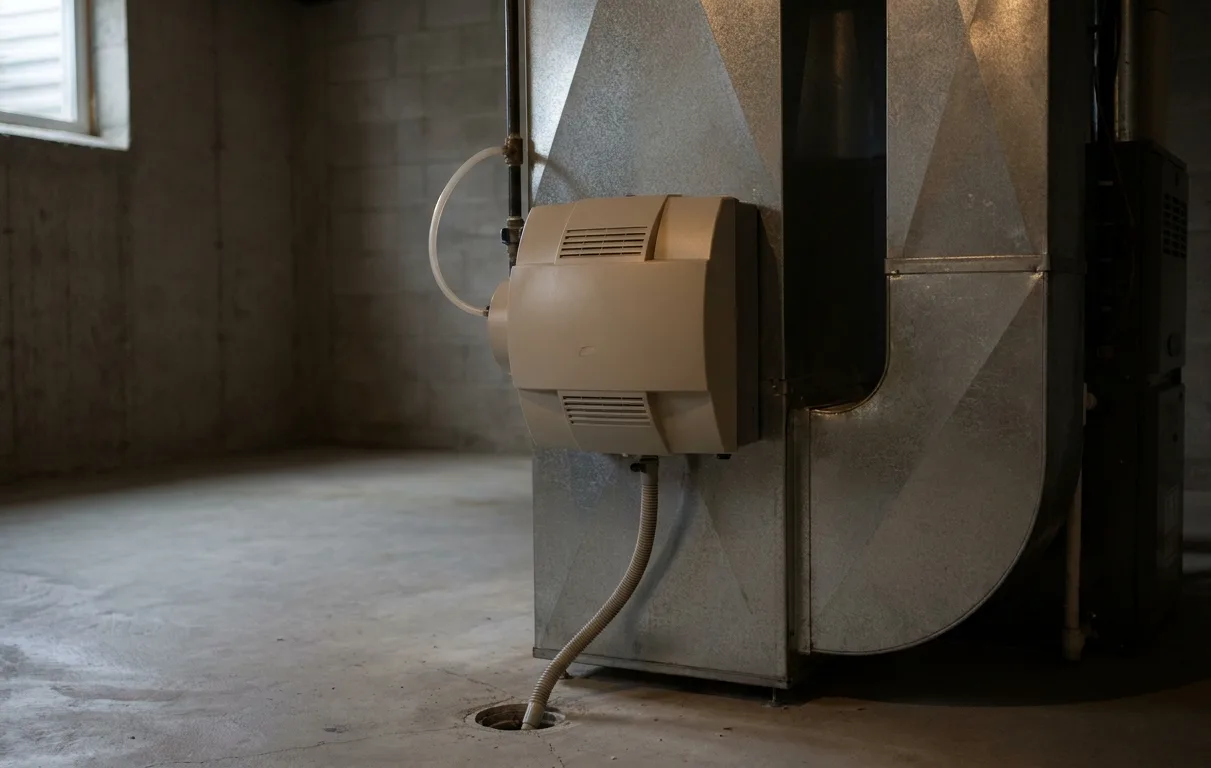
Media filters rated MERV 13 or higher capture finer particles without overloading the blower when matched to system capacity. Whole-home dehumidifiers tie into existing ductwork and drain lines to pull moisture from recirculated air during humid months.
Ultraviolet lights mounted near the evaporator coil limit microbial growth on wet surfaces. Home Comfort HVAC selects models sized for the measured airflow so the light covers the entire coil face without creating ozone.
Steps Homeowners Can Take Before Service
Replace the furnace filter with the correct size and rating noted on the unit label, then note how quickly it loads with debris. Clear furniture or rugs away from floor registers to restore full airflow and reduce the chance of blocked returns pulling air from dusty corners.
Record any rooms that feel stuffier or drier than others and note the time of day these differences appear. This information helps Home Comfort HVAC focus testing on the ducts and equipment serving those specific areas first.
Indoor Air Quality questions
How does humidity affect indoor air quality?
High humidity encourages mold on coils and in ducts while low humidity dries skin and wood surfaces. Home Comfort HVAC measures levels at multiple registers and adds or removes moisture through whole-home equipment sized to the existing system.
What parts improve air quality without replacing the furnace?
Upgraded media filters, UV lights on the coil, and a whole-home dehumidifier or humidifier tied into the ductwork address particles and moisture. Home Comfort HVAC matches each component to the measured static pressure and airflow of the current equipment.
Can dirty ducts cause ongoing odors?
Debris trapped inside return ducts releases smells when the blower runs. Technicians inspect accessible sections and recommend cleaning only when buildup blocks airflow or harbors moisture that supports growth.
What should I check before calling for help?
Note the filter size printed on the frame, replace it if loaded, and record humidity differences between rooms. These steps give Home Comfort HVAC clear starting points for testing without delaying arrival.
Schedule Indoor Air Quality Service
Contact Home Comfort HVAC to inspect humidity and airflow patterns that affect comfort throughout the USA.