
Ductless Mini-Split Installation in the USA
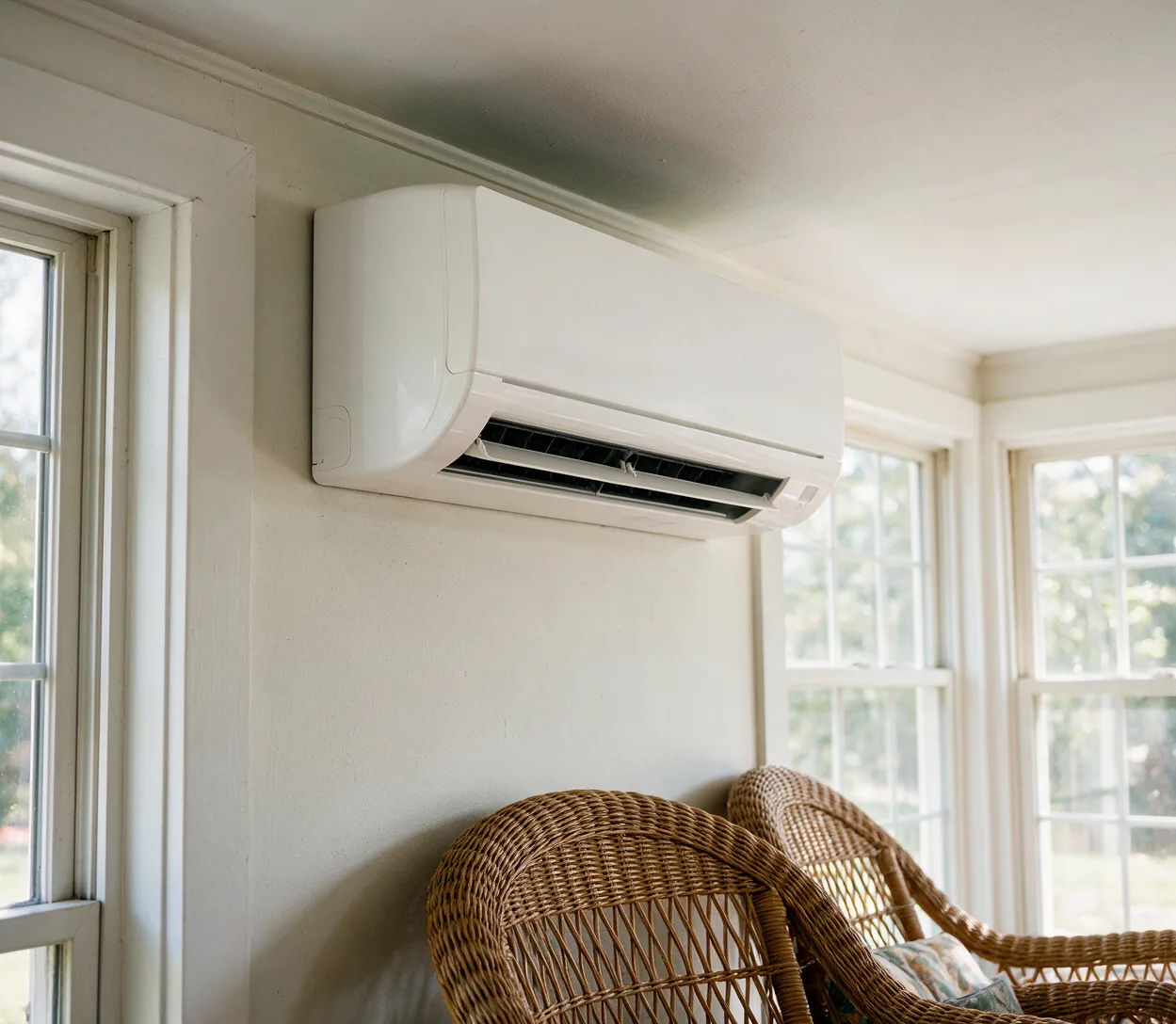
A ductless mini split keeps individual rooms at their own temperature instead of forcing one setting through the entire house. Hot upstairs bedrooms cool down without chilling the living areas below, and drafty corners stop pulling moisture from the air. Home Comfort HVAC places the indoor heads where airflow reaches the seating areas and beds, then runs a slim lineset to an outdoor unit sized for the combined load.
Homeowners notice the change first in humidity. One room no longer feels clammy while another stays dry. The system cycles based on the actual temperature in that space, so the compressor runs only as long as needed for each zone. Our technicians measure ceiling height, window exposure, and insulation before choosing the right BTU capacity for every head. Humidity levels drop in living spaces thanks to ductless mini-split installation done by Home Comfort HVAC everywhere in the USA.
Signs a Ductless System Fits Your Home
- Upstairs bedrooms stay warmer than downstairs even with the thermostat lowered.
- One corner of the living room feels damp while the rest of the room stays dry.
- Window units block views and still fail to hold steady temperatures overnight.
- Adding a room or finishing a basement leaves that space without any cooling.
- Existing ductwork runs through unconditioned attics and leaks cooled air.
Room by Room Comfort Assessment
Our technicians start by walking through each space that needs conditioning. They note sun exposure on south and west walls, ceiling height, and how air currently moves between rooms. A bedroom above the garage often runs several degrees warmer than the hallway, while a finished basement stays cooler and more humid. These measurements determine whether a single zone or multi zone setup balances the house without short cycling.
They also check available wall space for indoor heads so the air stream reaches the bed or seating area without blowing directly on people. Electrical panels and disconnect locations are noted early because each outdoor unit needs its own circuit sized to the compressor amperage.
Lineset Routing and Placement Choices
Once zones are confirmed, technicians decide the shortest protected path for the refrigerant lineset. They avoid long runs across attics where temperature swings can affect efficiency and instead bring lines through closets or soffits when possible. Each line is insulated to prevent condensation on the suction side and to keep the refrigerant at the correct temperature until it reaches the outdoor coil.
The outdoor unit sits on a level pad away from bedroom windows and dryer vents. Clearance on all sides allows airflow across the coil, and the location keeps noise from the fan away from living spaces. Home Comfort HVAC matches the condenser capacity to the total indoor load so the system does not short cycle during mild weather.
Materials and Controls We Install
Each indoor head includes a wireless remote or wall mounted controller that lets the occupant set temperature and fan speed for that room alone. We use flared copper linesets rated for the refrigerant type, along with factory insulation that meets the required R value. Condensate drains are sloped correctly and terminated where water will not pool against the foundation or create ice in winter.
Thermostatic expansion valves or electronic expansion valves inside the heads maintain superheat as outdoor conditions change. Our technicians pressure test the entire circuit with nitrogen, pull a deep vacuum, and weigh in the correct refrigerant charge before starting the system. This step prevents moisture and non condensables from shortening compressor life.
What Homeowners Can Check First
Before the crew arrives, note which rooms feel uncomfortable at different times of day and whether the issue is temperature, humidity, or both. Measure the width of walls where heads might mount and check that electrical service can reach the planned outdoor location without crossing walkways. Clearing a path for the lineset through closets or utility rooms speeds the install and reduces the chance of extra bends in the copper.
Keep furniture and window coverings away from the proposed head locations so airflow can be tested during startup. These simple steps help our technicians confirm the layout on site and complete the Ductless Mini-Split Installation without delays.
Ductless Mini-Split Installation questions
How many indoor units can connect to one outdoor unit?
Most multi zone condensers accept two to five indoor heads. Home Comfort HVAC calculates the combined cooling load of the chosen rooms and selects a condenser that matches total capacity while still allowing each head to run independently at its own temperature setting.
Will the indoor heads make noise at night?
Modern units include a quiet mode that drops fan speed to roughly twenty decibels. Our technicians set the sleep schedule so the head in a bedroom stays nearly silent after the room reaches the desired temperature. The outdoor fan is placed away from windows to keep nighttime sound low.
Can a mini split dehumidify without overcooling?
Yes. The system runs the indoor coil at a lower temperature for longer periods while the fan speed stays moderate. This pulls moisture from the air in humid rooms without dropping the air temperature below the comfort range set on the controller.
What maintenance does the system need after installation?
Homeowners clean the washable filters every month or two and keep the outdoor coil clear of leaves and grass clippings. Our technicians return on a schedule to check refrigerant pressures, clean coils, and confirm drain lines remain open so condensate does not back up into the heads.
Schedule Ductless Mini-Split Installation
Home Comfort HVAC can zone your home for steady comfort across the USA.