
Furnace Repair in the USA
Our technicians often find that furnaces stop delivering even warmth when the heat exchanger develops cracks or when the blower fails to circulate air properly. This leaves upstairs bedrooms feeling much cooler than the main living areas, and it can increase humidity levels in the house as the system struggles to maintain balance across all spaces.
Homeowners sometimes notice the furnace running longer cycles without reaching the set temperature on the thermostat. Dust buildup on the burners or a weak draft inducer motor usually causes this, making lower levels of the home feel drafty while the upper floors stay warmer than intended. Rooms feel cooler overall when Home Comfort HVAC performs furnace repair for homes spread across the USA.
Warning Signs Your Furnace Needs Attention
- Some rooms stay noticeably colder than others during operation.
- The furnace cycles on and off more often than it used to.
- Strange rattling or banging sounds come from the unit at startup.
- Air from vents smells slightly burnt or musty after running.
- Thermostat settings never seem to match the actual room temperatures.
What Technicians Measure on Site
Our technicians begin by checking the temperature rise across the heat exchanger and measuring static pressure in the duct system. These readings reveal whether restricted airflow is forcing the furnace to overheat or short cycle. They also test the limit switches and flame sensor to confirm safe operation before any further steps.
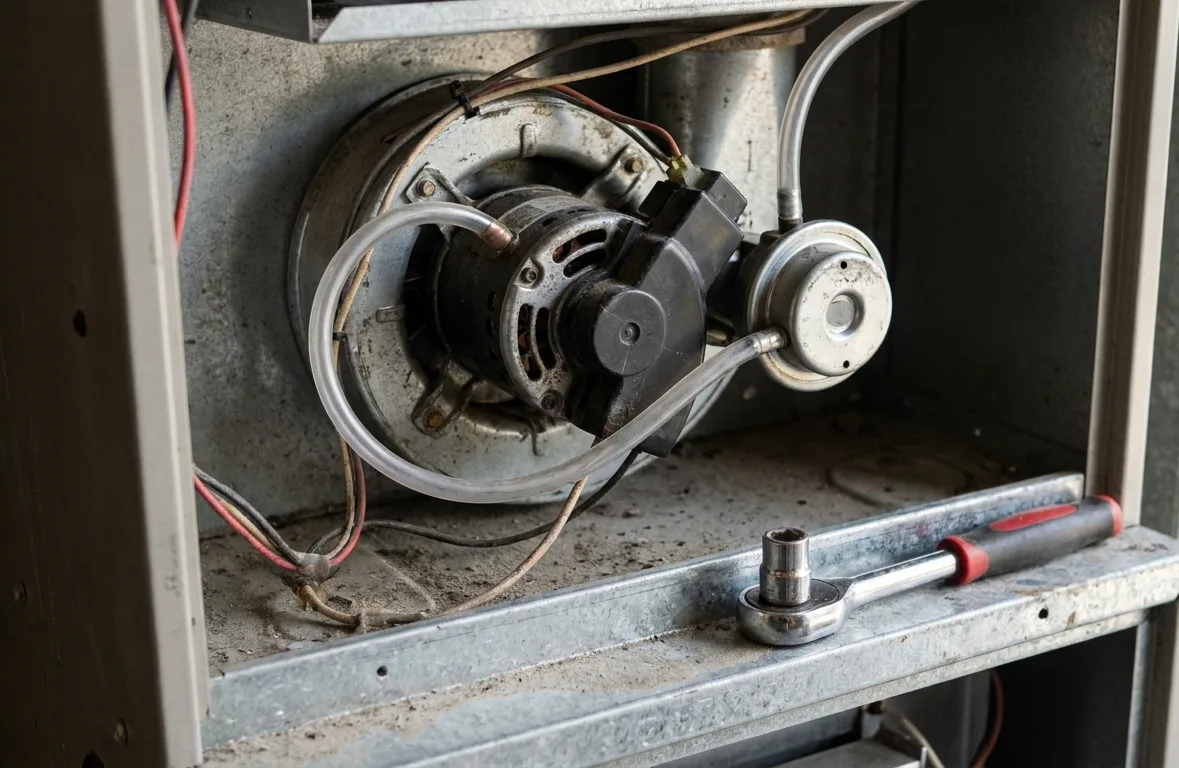
Next they inspect the draft inducer motor amperage and the condition of the condensate drain on high efficiency models. Weak suction here often leads to pressure switch faults that shut the system down mid cycle, leaving the whole house with uneven comfort levels from one floor to the next.
Common Causes Behind Uneven Heating
Cracked heat exchangers allow combustion gases to mix with the air stream, triggering safety shutdowns that prevent full heat delivery to every room. Burners coated with rust or debris create uneven flames that fail to heat the exchanger evenly, so some vents push cooler air while others run hotter.
Blower wheels loaded with dirt reduce airflow volume, raising the temperature inside the cabinet until the high limit trips. This pattern often shows up first in distant bedrooms where the duct runs are longest and resistance is highest.
Repair Choices and Replacement Parts
Technicians can replace a single faulty igniter or pressure switch when those parts test out of range. For older units they may swap the entire blower assembly or install a new inducer motor to restore proper venting and circulation throughout the ductwork.
When the heat exchanger shows cracks, replacement of the furnace itself becomes the practical route because the part is not serviceable. In those cases the new unit is matched to the existing duct sizes so airflow and temperature balance return to all areas of the home.
What Homeowners Can Check First
Before the team arrives, check that all supply and return vents remain open and free of furniture or rugs blocking airflow. Closed vents raise static pressure and can cause the furnace to short cycle even when the equipment itself is working correctly.
Replace the air filter if it looks gray or clogged, then note the thermostat setting and any recent changes in how long the system runs. These details help technicians focus their testing on the most likely cause without repeating basic steps.
Furnace Repair questions
Why does only the upstairs feel cold?
Airflow restrictions or a weak blower often send less heated air to the farthest rooms. Technicians measure static pressure and temperature rise to find where the restriction begins and restore balanced delivery to every level.
Can a cracked heat exchanger be fixed?
No. Once cracks appear the exchanger must be replaced, which usually means installing a new furnace. The old unit is removed and the new one is connected to the existing ductwork and gas line.
What does a flame sensor do?
The sensor confirms the burners are lit. When it becomes coated it fails to read the flame, so the control board shuts the gas valve for safety and leaves the house without heat until the part is cleaned or replaced.
How often should filters be changed?
Most homes need a new filter every one to three months depending on pets and dust levels. A dirty filter raises resistance, shortens run times, and prevents the furnace from reaching the temperature set on the thermostat.
Schedule Furnace Repair
Contact Home Comfort HVAC to arrange a visit and restore steady warmth throughout every room.