Home Comfort HVAC technicians work on the equipment that keeps indoor conditions steady from one room to the next. They check refrigerant pressures on cooling systems, test heat exchanger integrity on furnaces, and measure static pressure in duct runs so air moves evenly instead of pooling in one area or leaving another chilly.
Different homes present different comfort problems such as sticky humidity in lower levels or heat buildup upstairs. Our crews trace these issues to the equipment listed on this page and explain the steps involved, from replacing a failing reversing valve to balancing dampers that direct air to drafty corners. Every service below is available from Home Comfort HVAC across the USA.
When an older central system struggles to hold set temperatures, new equipment can restore even cooling across every floor. Technicians size the unit to the home's heat load, match it to existing ductwork, and set the correct airflow so humidity drops without overcooling bedrooms.
A heat pump that short-cycles or leaves rooms lukewarm often needs defrost sensor checks or reversing valve testing. Our technicians locate the fault, restore proper refrigerant flow, and verify that the auxiliary heat strips engage only when outdoor temperatures demand it.
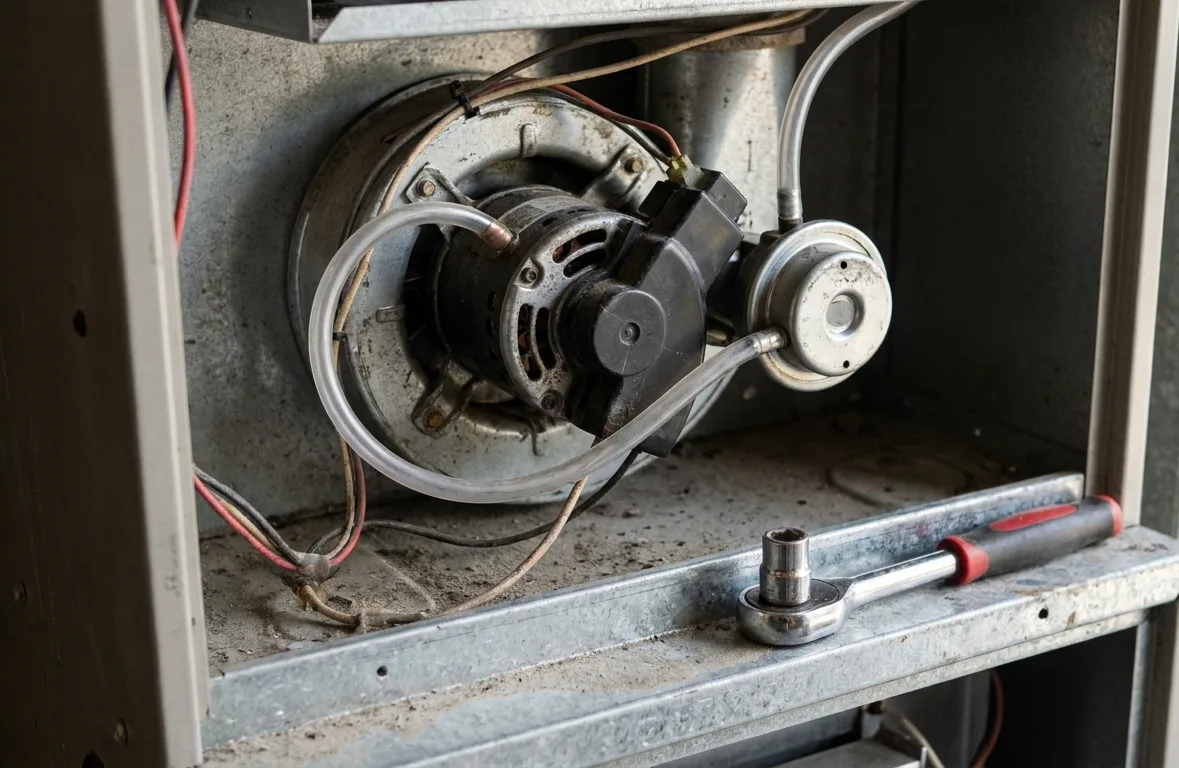
Weak airflow or uneven heat from a furnace can stem from a dirty blower wheel or cracked heat exchanger. Technicians inspect the combustion chamber, clean the secondary exchanger, and adjust gas pressure so the system delivers steady warmth without cold spots in distant rooms.
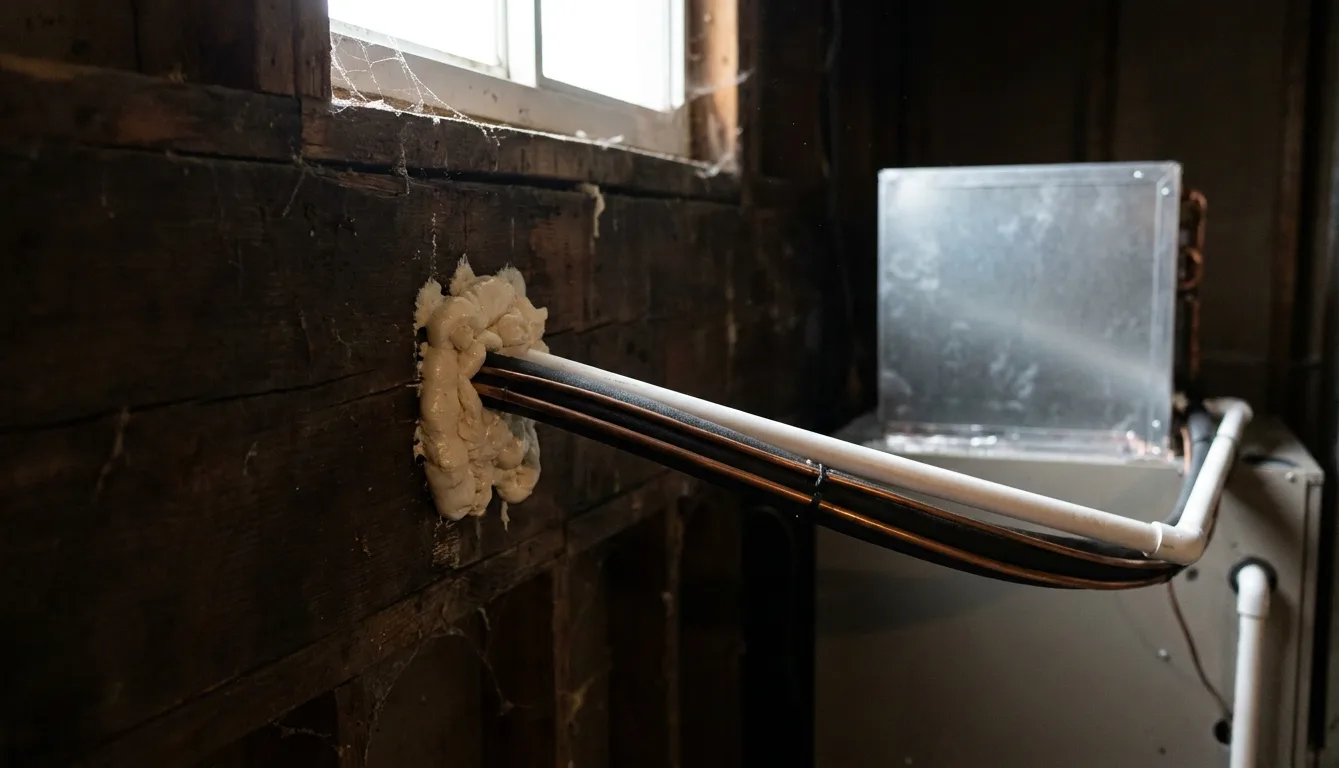
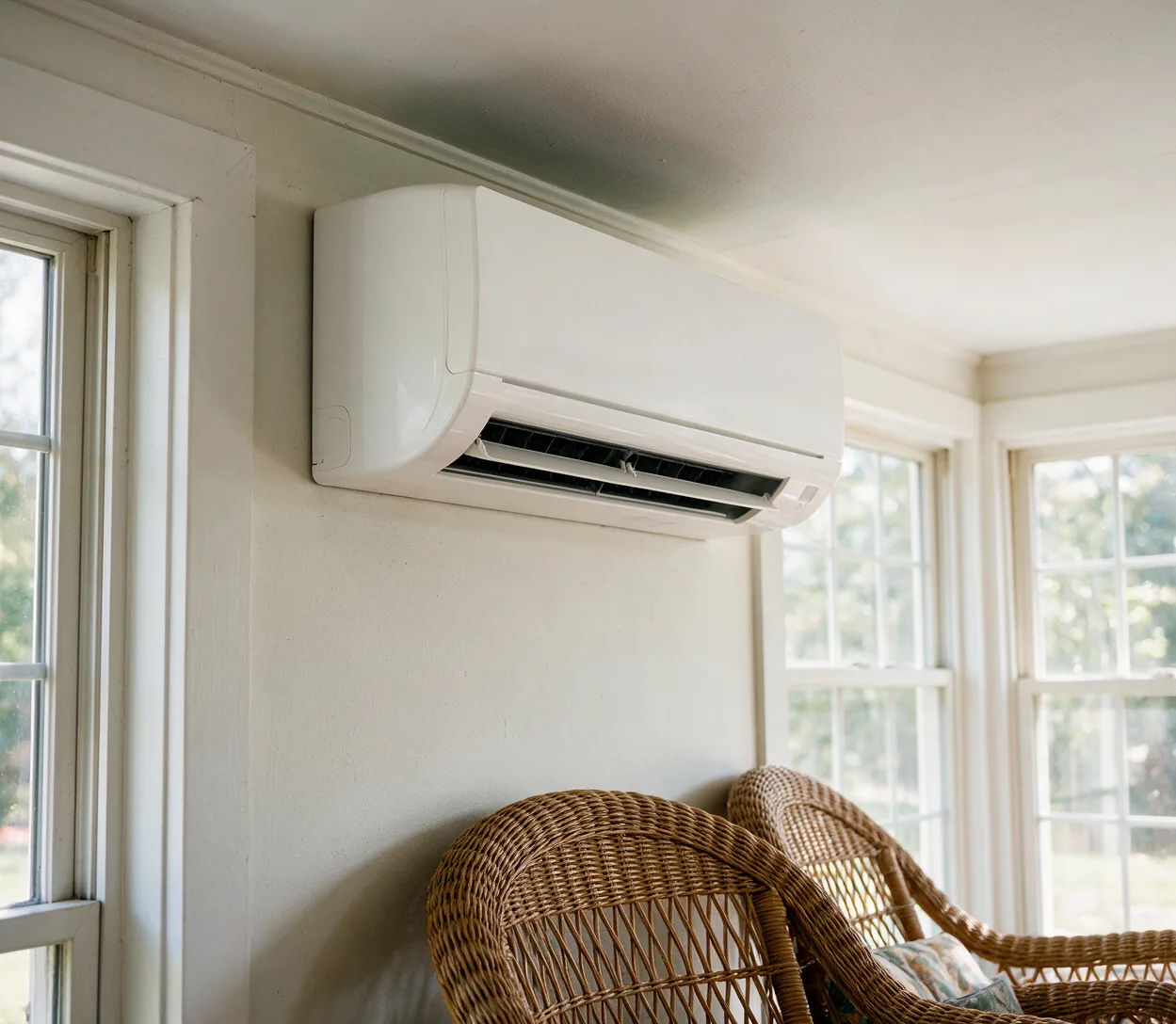
Mini-split heads placed in problem rooms allow separate temperature control where central ducts never reached. Technicians mount the indoor units, run insulated linesets, and program the outdoor inverter so humidity stays low without chilling the rest of the house.
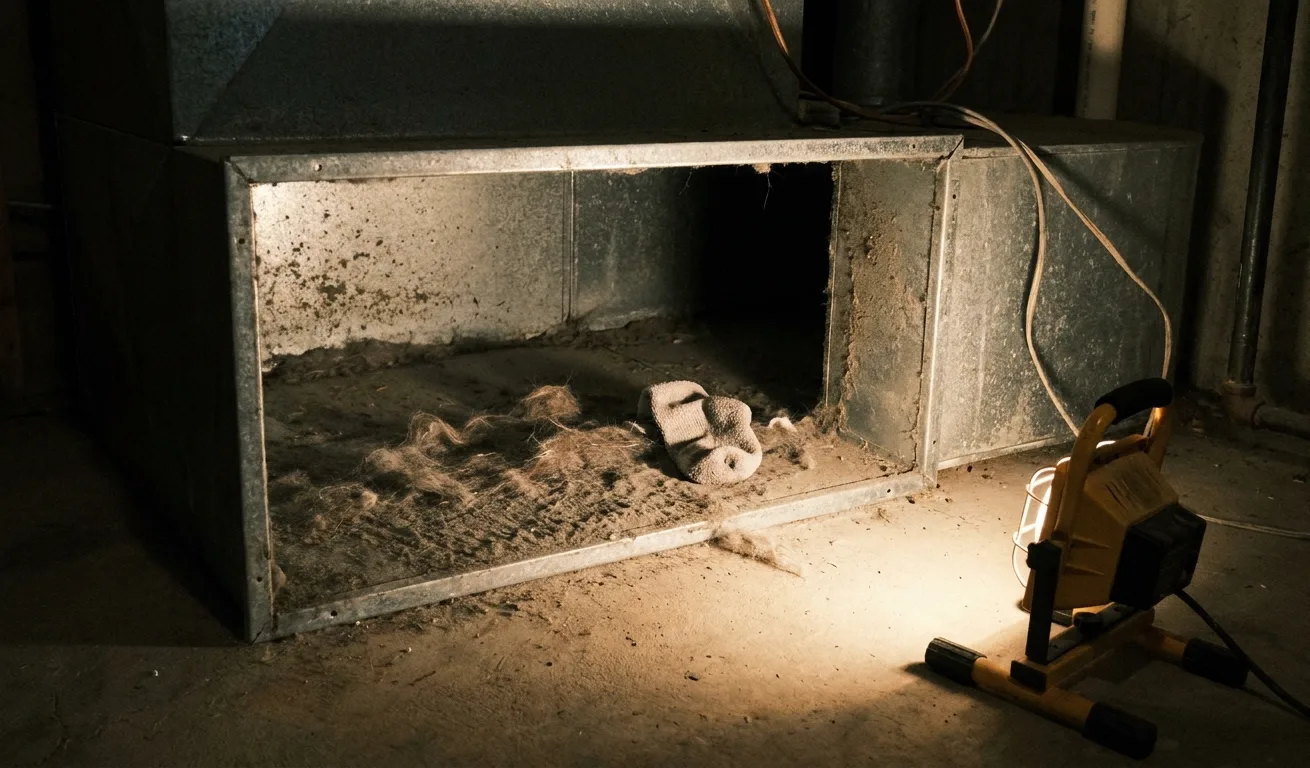
Built-up dust on coil fins and inside supply runs restricts airflow and raises humidity. Technicians use negative-air machines to pull debris from every branch, then brush the main trunk so the blower moves the designed volume of air to every register.
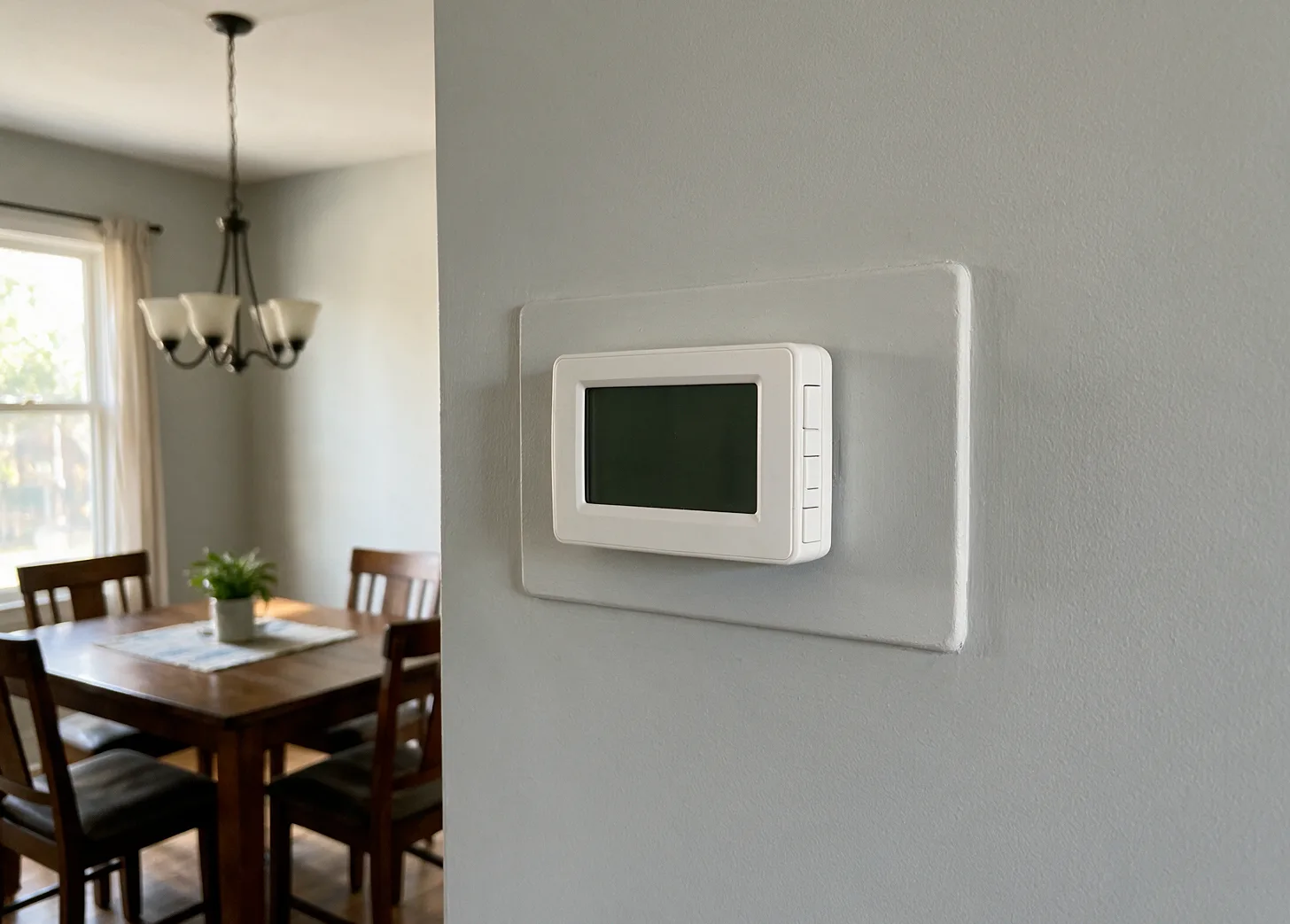
A new thermostat that reads temperature at the right location prevents the system from running too long or shutting off early. Technicians mount the sensor away from direct sun or vents, wire it to the equipment, and set schedules that match how each floor is used.
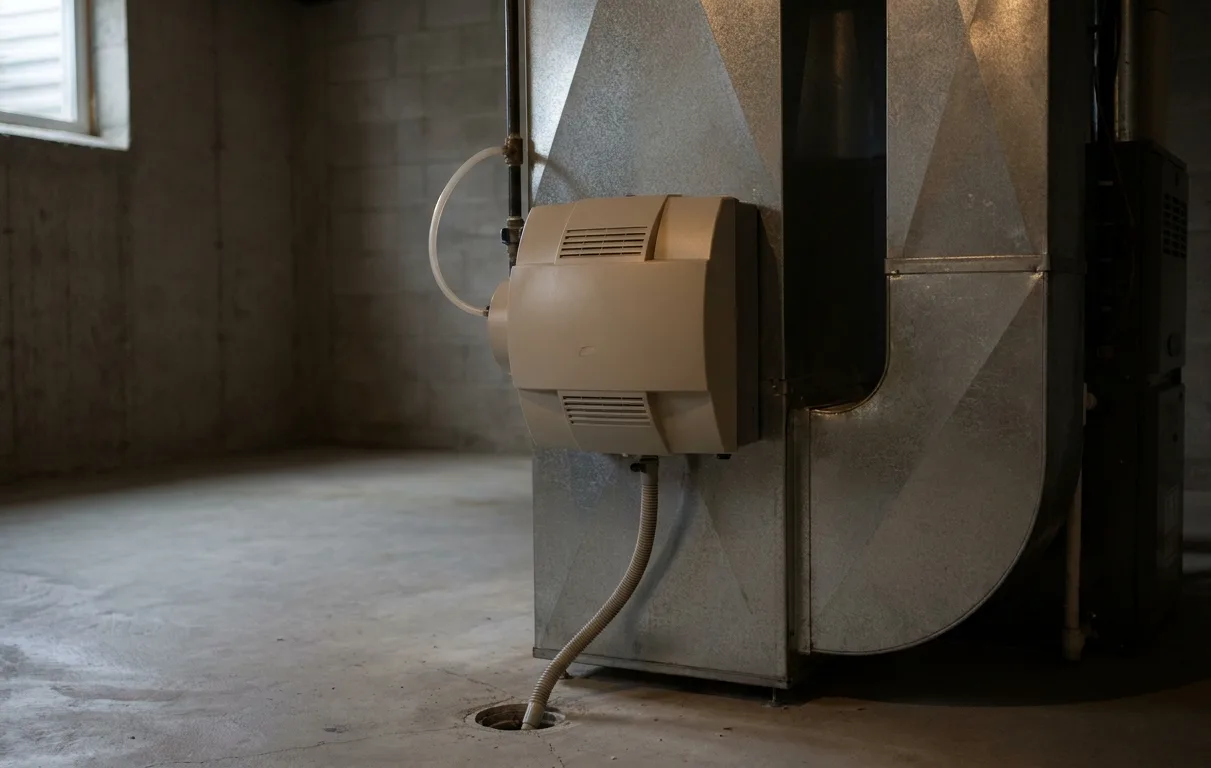
High humidity or lingering odors often trace to oversized equipment or poor filtration. Technicians measure dew points room by room, recommend media filters that capture fine particles, and adjust fresh-air intake so the air feels clean without excess moisture.
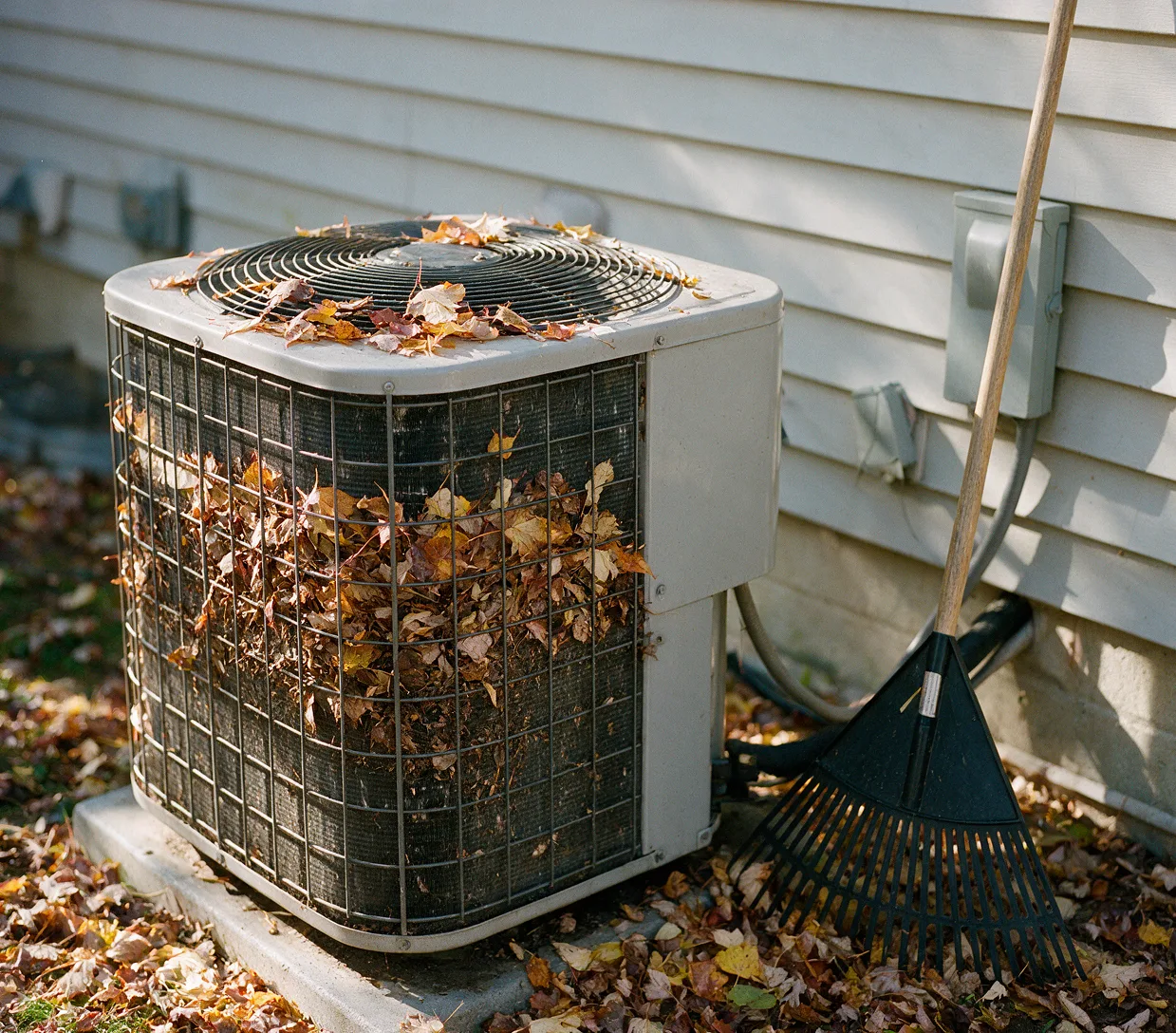
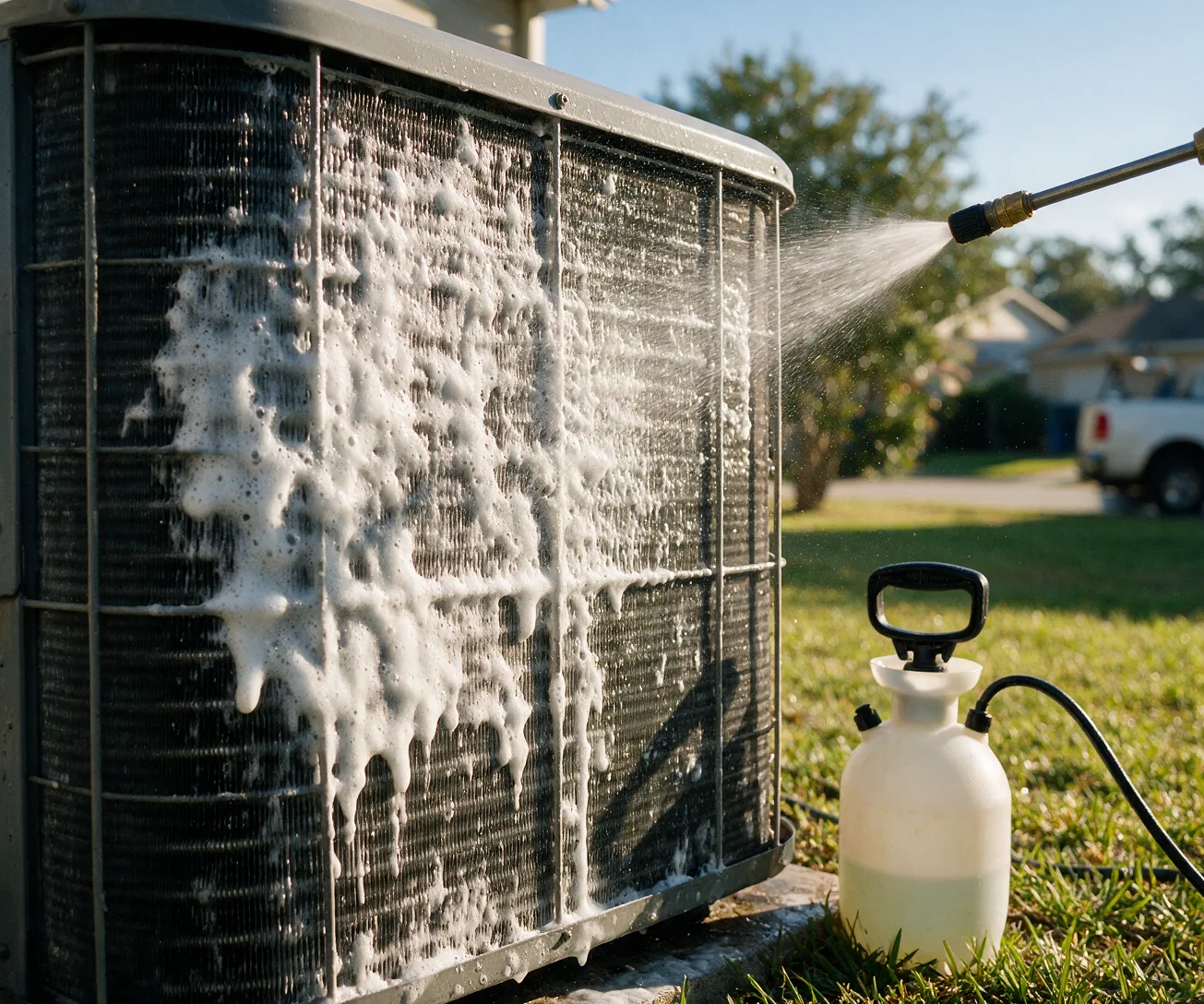
During a tune-up technicians clean the evaporator and condenser coils, verify superheat and subcooling values, and tighten electrical connections so the compressor runs at design efficiency. These steps keep humidity removal steady and prevent temperature swings between floors.
Matching the right service to your home's comfort issues
Start by noting which rooms feel different. Hot upstairs bedrooms during cooling season point toward airflow or refrigerant problems best addressed by an AC tune-up or central air work, while cold corners near the floor in winter often trace to furnace blower issues or duct restrictions.
Persistent humidity that makes lower levels feel clammy usually calls for duct cleaning or indoor air quality steps, whereas a heat pump that fails to switch modes needs targeted repair. Our technicians ask about these patterns so the service chosen corrects the actual temperature or moisture imbalance.