
About Home Comfort HVAC
When a call comes in for AC repair, our team gathers details about how the home feels throughout the day. Technicians then visit to inspect equipment and airflow patterns. They focus on restoring balanced comfort without leaving behind unnecessary mess or disruption.
Questions about a job? Start on the Home Comfort HVAC homepage or call (888) 687-6109.
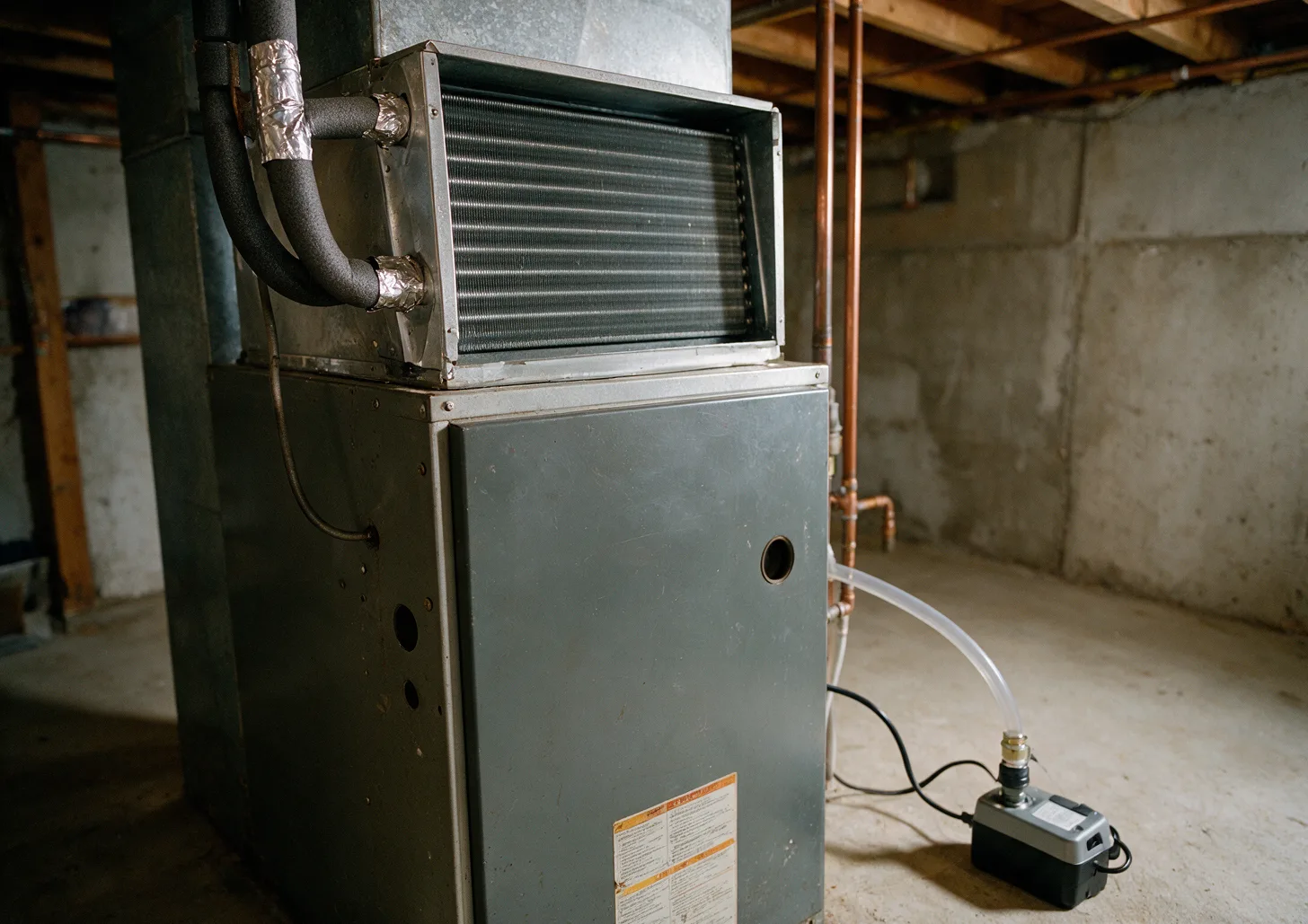
Room Comfort Focus
We check every space for temperature and humidity differences rather than treating the system as a single unit.
Clear Explanations
Findings are described using everyday language about airflow and coil condition so decisions feel straightforward.
Tidy Work Practices
Areas stay clean during and after service with all debris and tools removed before departure.
Practical Next Steps
Homeowners receive simple checks they can perform themselves to maintain steady performance between visits.
Taking the Initial Call
Our team listens for specific comfort details such as higher humidity in certain rooms or weaker airflow from vents. This helps us prepare the right tools and parts before arrival. Homeowners can safely confirm the thermostat setting and note which rooms feel different before we reach the property.
We ask about recent changes like unusual noises from the outdoor unit or ice forming on lines. These clues point to common issues such as low refrigerant or dirty evaporator coils that block proper heat exchange. This preparation keeps the visit focused on the actual problem rather than starting from scratch.
Arriving and Inspecting
Technicians begin by walking through the home to feel temperature differences between floors and corners. They check filter condition, measure static pressure in ducts, and look for restricted airflow that often causes the upstairs to stay warmer. These steps identify whether the issue stems from the equipment or the distribution system.
Next they examine the outdoor condenser for debris buildup on coils and test capacitor function. A failing capacitor prevents the compressor from starting properly, leading to short cycling. Homeowners can safely clear leaves from around the unit base while we handle the electrical and sealed system checks inside.
Sharing What We Find
After testing, technicians explain readings in plain terms such as low suction pressure indicating a possible leak or restricted expansion valve. They describe how each part affects room comfort so homeowners understand why one area stays stuffy while another cools quickly. No jargon is used when showing the data.
We point out simple maintenance steps like regular filter changes that prevent dust from reaching the blower motor and reducing its efficiency over time. This conversation covers what the homeowner can monitor going forward to catch early signs of imbalance before another repair becomes necessary.
Finishing the Visit
Once repairs finish, technicians restore panels, wipe down touched surfaces, and confirm all tools are accounted for. They run the system through a full cycle to verify even temperatures return across rooms and humidity levels drop to a comfortable range. This leaves the home ready for normal use right away.
A final check includes confirming thermostat calibration and noting any follow-up filter replacement dates. Technicians avoid moving furniture or leaving packaging behind so the space feels undisturbed except for the restored cooling or heating performance throughout the house.